Building Soil with Worm Farms and No-Dig Gardening – A Simple Backyard System
Learn how to build healthy garden soil using an above-ground worm farm, compost, earthworms and no-dig gardening. Marty shares his practical backyard approach.
Published 9 November 2026
Building soil with worm farms and no-dig gardening is a simple way to turn an ordinary backyard into a productive growing space. Rather than digging everything over, removing roots and starting again, you can build layers of organic matter, encourage worms and fungi, and gradually develop better soil.
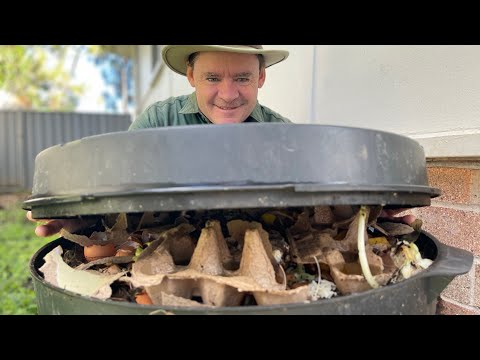
In this video, Marty Ware from Marty's Garden shows how he's extending an above-ground worm farm into the surrounding garden using straw bales, compost, cardboard, leaves and other organic materials.
The idea is straightforward: build the soil, keep it moist, encourage life underneath the surface and plant into it as the system develops. You don't need a large property or expensive equipment to give it a go.
Extending an Above-Ground Worm Farm into the Garden
One of the interesting things about Marty's approach is that the worm farm isn't treated as a separate little box sitting in the garden.
Instead, he's extending the growing area around it.
An above-ground worm farm gives him somewhere to breed compost worms, produce worm castings and manage organic material. By building garden beds around the outside, he's creating a larger system where the worm farm and garden can work together.
This has several advantages:
- He can harvest worm castings from the worm farm.
- He can build up a larger population of compost worms.
- The surrounding garden provides more opportunities for growing vegetables.
- Organic material can be continually added to improve the soil.
- Plants can eventually grow over the area and provide shade during hotter weather.
Marty also likes being able to open the worm farm and harvest from it without having to dig through the garden.
It's a practical way to combine worm composting and food production in one backyard space.
Building Garden Beds with Straw Bales
In the video, Marty uses straw bales to extend the garden around his above-ground worm farm.
He covers the bales with compost and connects the growing area to the ground underneath.
Before building the beds, he places cardboard around the area to help suppress grass and weeds. He then adds organic material and keeps everything moist as the system develops.
The basic approach involves:
- Positioning the straw bales to form the growing area.
- Placing cardboard around the ground to help reduce weed growth.
- Adding compost over the bales.
- Connecting the organic material to the surrounding garden soil.
- Watering regularly to maintain moisture.
- Allowing the material to settle and begin breaking down.
The aim isn't to have a perfect garden bed overnight. It's about gradually building a growing environment that improves as organic matter decomposes and soil life becomes established.
Straw bales are simply one way of creating the structure. There are plenty of other ways to achieve a similar result.
You Don't Need Straw Bales to Create a No-Dig Garden
This is an important point Marty makes in the video.
You don't need straw bales to build this type of garden.
If you prefer, you can create ordinary no-dig garden beds by layering organic materials directly over the ground.
A simple approach is to:
- Lay cardboard over grass or unwanted vegetation.
- Add layers of compost and other suitable organic materials.
- Keep the layers moist so they can begin breaking down.
- Add mulch over the surface.
- Plant into the developing bed when it is suitable for planting.
The cardboard helps suppress existing grass and weeds while the organic layers gradually develop.
You can build a small bed beside a worm farm, extend an existing vegetable garden or create a larger growing area over time.
The important thing is to keep adding organic material rather than continually disturbing the soil.
Why Earthworms and Fungi Matter
One of the main ideas behind this system is encouraging the natural life that helps soil develop.
Marty wants compost worms, native earthworms and beneficial fungi to become established throughout the garden.
Compost worms help break down organic material and produce castings. Earthworms living in the surrounding soil move through it, helping to create channels and mix organic material into their environment. If you're new to all of this, how a worm farm works is a good place to start.
Fungi also play an important role in decomposing organic matter and supporting healthy soil ecosystems.
As the organic material breaks down, the garden becomes a more active growing environment.
Rather than relying entirely on digging and manually mixing everything, you're encouraging soil organisms to do much of the work.
The process takes time, but that's part of the beauty of it. You're building a living system that can improve season after season.
Keeping the Garden Moist and Building Soil
Moisture is important when you're developing garden beds from straw, compost, leaves and other organic materials.
In the video, Marty explains that there hasn't been as much rain as he'd like, so he's watering the bales whenever he waters the rest of the garden.
This helps keep the organic material moist while it begins breaking down.
A few practical things to remember:
- Check the moisture in the garden beds regularly.
- Water when the organic layers begin drying out.
- Avoid allowing the beds to become completely dry for extended periods.
- Make sure the garden has suitable drainage rather than remaining waterlogged.
- Add more organic matter as the existing material settles and decomposes.
Compost worms and other soil organisms generally need a suitable moisture environment to remain active.
You don't need to constantly work the beds. Just keep an eye on them, maintain moisture and continue building the soil.
What to Plant in a Developing Garden Bed
Marty plans to begin with leafy greens, strawberries and other plants that can establish themselves as the garden develops.
These are sensible choices for getting started while the organic material settles and the growing area becomes established.
He also talks about allowing the garden to develop through the warmer months, with taller plants such as tomatoes eventually growing over parts of the area.
This can provide useful shade over the worm farm and surrounding growing space during hot weather.
When choosing what to plant, consider:
- Leafy greens for regular harvesting.
- Strawberries for a productive ground-level crop.
- Suitable seasonal vegetables for your local climate.
- Taller plants that can provide shade where needed.
Make sure the compost and other materials are sufficiently broken down and suitable for planting. If a bed is still actively heating or contains fresh, unfinished material, allow it more time to mature before planting sensitive crops.
You can gradually introduce more plants as the garden becomes established.
Leaving Roots in the Ground
One of the simplest but most useful ideas in this video is what Marty does when harvesting plants.
Rather than pulling everything out, he recommends leaving the roots in the ground.
When you harvest a vegetable, cut the plant off and leave the roots to break down naturally.
Those roots become another source of organic material in the garden.
As they decompose, they contribute to the developing soil structure and provide food for soil organisms.
You can then add another layer of compost or mulch and plant something else.
This is a simple way to keep the garden productive without continually disturbing the soil.
Instead of removing everything and starting again, you're allowing the previous crop to become part of the next growing cycle.
Building a Productive Permaculture Garden
Marty is gradually connecting this area to a larger permaculture garden.
He's also collecting leaves and other organic material from a local arborist to use around the garden.
These materials help build up the organic layers and provide additional resources for the developing soil.
The overall idea is to create a garden where different elements support one another:
- Above-ground worm farms produce castings and help grow compost worm populations.
- Compost and organic matter feed the developing soil.
- Earthworms and other soil organisms help process organic material.
- Plants use the developing growing environment.
- Leaves, roots and other plant material can be returned to the garden.
It's not something that needs to be completed in one weekend.
Marty is building it gradually, extending the growing area as materials become available and allowing the soil to develop over time.
That's what makes this approach practical for ordinary backyard gardeners. You can start with a small area and keep expanding as you go.
Frequently Asked Questions
Do I need straw bales to build a no-dig garden?
No. Straw bales are just one way to create raised growing areas. You can use cardboard, compost, mulch and other suitable organic materials to build no-dig garden beds directly over the ground.
Can I connect an above-ground worm farm to my vegetable garden?
Yes. You can position garden beds around an above-ground worm farm and use the surrounding area to grow vegetables. The worm farm can produce castings while the surrounding beds are developed with compost and organic material.
Will earthworms move into a no-dig garden?
Earthworms may naturally move into a garden where conditions are suitable, particularly where there is moisture, organic matter and access to the surrounding soil. Avoid assuming they will appear immediately; allow the system time to develop.
Why is moisture important in a no-dig garden?
Moisture helps organic materials break down and supports worms and other soil organisms. The aim is to keep the bed moist without leaving it waterlogged.
Should I pull vegetable roots out when harvesting?
Where practical, you can cut plants off at ground level and leave the roots in place. They will gradually decompose and become part of the organic material in the bed.
Can I build this type of garden in a small backyard?
Absolutely. You don't need a large property. Start with a small no-dig bed or an area beside an existing worm farm and gradually extend it as you collect organic materials.
Final Thoughts
What I like about this approach is that you're not trying to create a perfect garden all at once.
You're building it.
A little compost here, some straw or leaves there, a few plants going in and plenty of time for the worms and other soil life to get established.
You can do it with straw bales or simply build layers directly over the ground. The important thing is to keep adding organic matter, maintain moisture and avoid disturbing the soil unnecessarily.
Over time, the garden becomes more productive and the soil continues to improve.
As Marty says, these simple systems can work in small or large spaces. You just need a little patience and a willingness to keep building.
Keep reading

Beginner Worm Farming
How to Start a Worm Farm with Coco Peat – Step-by-Step for Beginners

Videos
Oats vs Rice for Worm Farms – Which Food Is Better for Your Worms?

Backyard Systems
How to Make Money Composting – Turn Garden Waste into a Sellable Product
Beginner Worm Farming